

Understanding Fat in Arteries
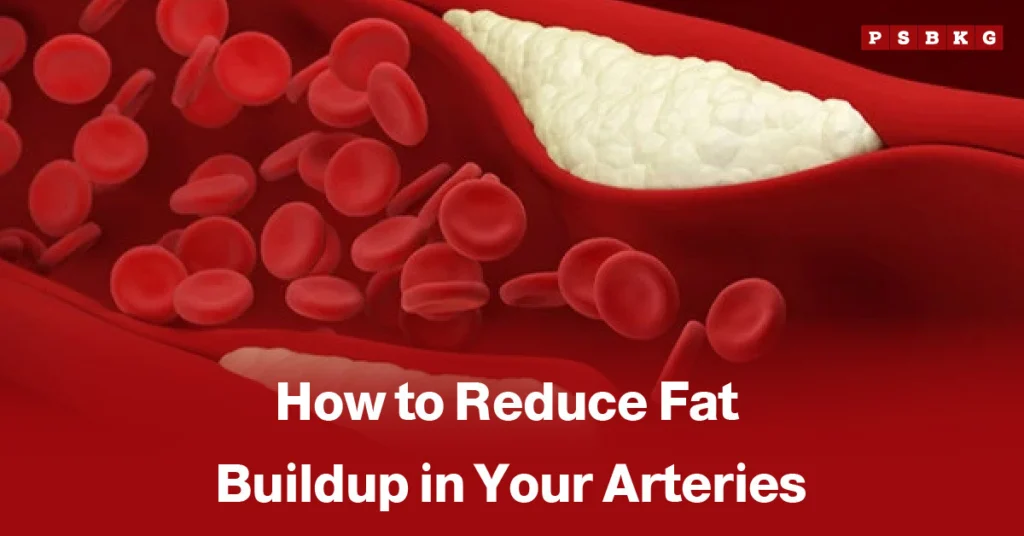
Latest News : Fat buildup in your arteries, also known as plaque, can quietly increase the risk of heart disease and stroke. Many people don’t realize it happens over time, often without symptoms. It starts when cholesterol, fats, and other substances slowly accumulate on artery walls. Over the years, this can narrow arteries, restricting blood flow and putting extra strain on the heart. Lifestyle, diet, and genetics all play a role. Understanding the causes is the first step toward reducing risk. Simple changes can make a big difference before the buildup becomes dangerous.
Eat Heart-Friendly Foods
Diet plays a crucial role in preventing fat accumulation. Foods high in saturated fats, trans fats, and added sugars contribute to plaque formation. Instead, focus on fruits, vegetables, whole grains, lean proteins, and healthy fats like olive oil and nuts. Fatty fish, such as salmon and mackerel, provide omega-3s that help reduce inflammation and improve cholesterol levels. Portion control is also important, as overeating, even healthy foods, can affect blood lipid levels. Small, consistent changes in eating habits often yield long-term benefits for artery health.
Stay Active Daily
Exercise is one of the most effective ways to combat fat buildup. Regular physical activity improves circulation, raises good cholesterol (HDL), and lowers bad cholesterol (LDL). You don’t need to run marathons; brisk walking, cycling, swimming, or even household chores can help. Aim for at least 150 minutes of moderate activity per week. Movement also helps manage weight and blood pressure, both of which influence artery health. Consistency matters more than intensity, so finding enjoyable ways to stay active increases the likelihood of long-term adherence.
Manage Stress Effectively
Stress doesn’t just affect your mind, it can harm your heart too. Chronic stress can raise blood pressure and trigger unhealthy habits like overeating or smoking, which worsen artery health. Techniques like meditation, deep breathing, yoga, or even a simple walk in nature can lower stress levels. Social support is also vital; talking to friends or family about daily challenges can reduce mental load. Managing stress consistently helps protect arteries from damage caused by inflammation and high blood pressure over time.
Avoid Smoking and Limit Alcohol
Smoking is one of the most harmful habits for artery health. Chemicals in tobacco damage the lining of blood vessels, making it easier for plaque to form. Quitting smoking can dramatically reduce the risk of heart disease, even for long-term smokers. Alcohol, in excess, can also raise blood pressure and contribute to fat buildup. Moderate consumption, such as a glass of wine occasionally, is generally considered safer, but complete avoidance is best for high-risk individuals. Avoiding these habits gives arteries a chance to recover and function better.
Maintain Healthy Blood Pressure and Cholesterol
High blood pressure and cholesterol are major contributors to arterial fat buildup. Regular checkups can help monitor these numbers, allowing for early intervention if they rise. Doctors may recommend medications or lifestyle adjustments depending on individual needs. Simple steps like reducing salt intake, eating fiber-rich foods, and exercising can make a noticeable difference. Tracking progress helps maintain motivation and ensures that small lifestyle changes add up to long-term improvements.
Stay Hydrated and Sleep Well
Hydration and sleep are often overlooked but essential for artery health. Drinking enough water supports circulation and helps flush toxins from the body. Poor sleep patterns, including insufficient or irregular sleep, increase stress hormones and blood pressure, indirectly promoting plaque buildup. Adults should aim for 7–9 hours of quality sleep per night. Developing a regular sleep routine, limiting screen time before bed, and creating a comfortable sleep environment can all improve cardiovascular health.
Regular Health Checkups
Prevention is easier than treatment, so regular medical checkups are key to reduce fat buildup in arteries before it becomes dangerous. Blood tests, cholesterol screenings, and imaging tests can detect early signs of arterial buildup long before serious complications arise. Discuss personal risk factors with your doctor, including family history, diet, and lifestyle habits. Early intervention makes it easier to reduce fat buildup in arteries through targeted lifestyle changes and medical guidance. Taking proactive steps now can protect heart health and improve overall well-being.