
Pakistan India T20 Clash: Let’s Clear the Air
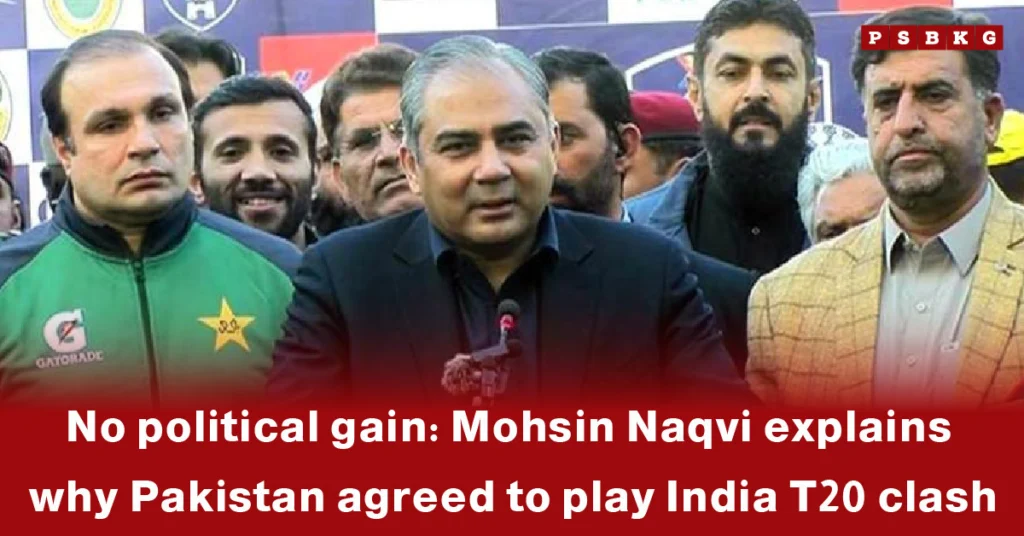
Latest News : As debate continued over Pakistan’s decision to play India in the T20 World Cup, PCB Chairman Mohsin Naqvi stepped forward with a clear message ahead of the Pakistan India T20 clash. There was no political gain behind the move, he said. The statement came at a time when speculation was building, with critics questioning whether the decision carried diplomatic undertones. Naqvi chose to address the matter directly, framing the agreement as a cricketing commitment rather than a political maneuver. His tone was measured, almost careful, as if aware that every word would be weighed beyond the sports pages.
A Tournament Obligation
According to Naqvi, participation in the match is rooted in Pakistan’s responsibility as a member of the International Cricket Council. ICC tournaments come with structured schedules, and teams are expected to compete according to those fixtures. Opting out, he implied, would have carried consequences not just for the board but for Pakistan’s standing in international cricket. By agreeing to play, the PCB aligned itself with global sporting norms. The decision, in his view, was about honoring commitments, not signaling any shift in political stance.
Separating Sport from Politics
The phrase no political gain was deliberate. Matches between Pakistan and India rarely escape political interpretation. Every handshake, every press conference, every fixture can trigger commentary beyond cricket. Naqvi emphasized that the board’s role is to manage sport, not diplomacy. He acknowledged that emotions run high whenever the two sides meet, but insisted that the World Cup stage is different from bilateral series. In a global tournament, teams represent their cricketing strength first. That distinction formed the core of his explanation.
Government Backing and Institutional Support
Public Reaction Remains Divided
Despite the clarification, public reaction remains mixed. Some supporters believe sport should continue regardless of political tensions, arguing that global tournaments create rare moments of competitive focus. Others feel that symbolism cannot be separated from context, especially in high profile encounters. Social media discussions reflect this divide clearly. Naqvi’s statement may not silence criticism entirely, but it attempts to redirect the conversation toward cricketing professionalism rather than political interpretation.
The Commercial Reality
There is also an economic dimension that remains unspoken but understood. Pakistan versus India matches generate enormous global interest. Broadcasters, sponsors, and tournament organizers anticipate record viewership. While Naqvi denied political motives, the commercial reality of the fixture is undeniable. ICC events rely heavily on marquee clashes to sustain financial stability. By participating, Pakistan maintains its presence within that ecosystem. The chairman’s explanation focused on obligations and professionalism, leaving financial factors implied rather than emphasized.