

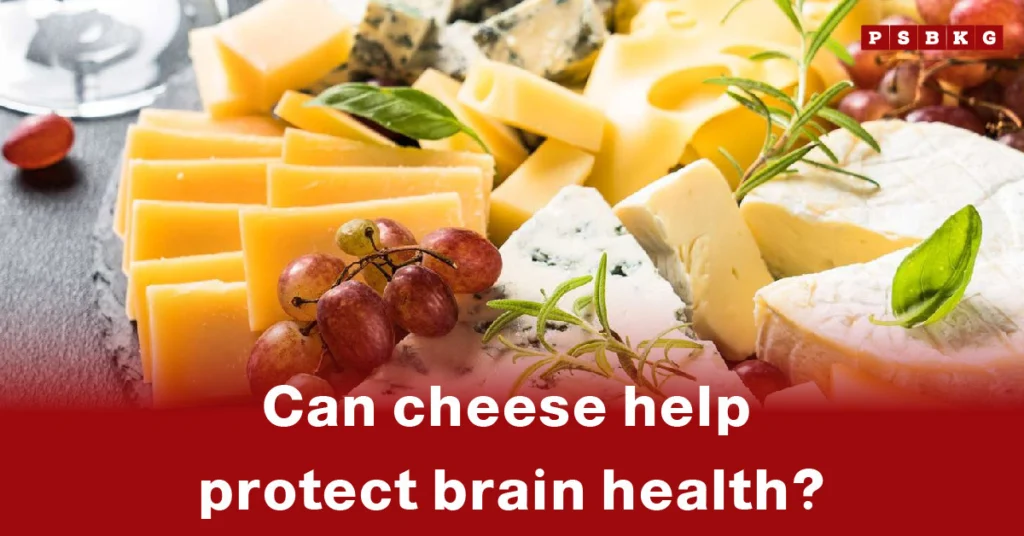
Cheese and Brain Health: What Experts Say
Cheese is a popular dairy food enjoyed around the world, but recent studies suggest it may also offer benefits for brain health. Researchers say certain nutrients found in cheese could help support memory and cognitive function. While many people associate cheese with weight gain, experts point out that it can be part of a healthy diet when consumed in moderation. The key is choosing the right type of cheese and balancing it with other brain-boosting foods. Overall, cheese may play a supportive role rather than being a miracle food for the brain.
Nutrients in Cheese That Support the Brain
Cheese contains important nutrients like calcium, vitamin B12, protein, and healthy fats. Vitamin B12 is especially important for nerve health and brain function. Calcium helps with nerve signaling and overall brain activity. The protein in cheese provides amino acids that support neurotransmitter production. Some cheeses also contain omega-3 fatty acids, which are linked to better brain health. These nutrients together may help reduce the risk of cognitive decline when included in a balanced diet.
Research Links Dairy with Cognitive Benefits
Several studies have examined the relationship between dairy consumption and brain health. Some findings suggest that regular intake of dairy products may be associated with a lower risk of memory decline in older adults. Researchers believe that the combination of nutrients in cheese could support brain function. However, experts also warn that more research is needed to confirm the exact benefits. They emphasize that cheese alone cannot prevent brain disorders, but it may contribute positively as part of a healthy lifestyle.
The Role of Healthy Fats
Cheese contains fats that can be beneficial for brain health, but it depends on the type and amount consumed. Healthy fats support the structure of brain cells and help with the absorption of fat-soluble vitamins. However, excessive intake of saturated fats can raise cholesterol levels and increase heart disease risk. Experts recommend choosing cheese varieties that are lower in fat and limiting portion sizes. Moderation is essential to gain benefits without negative health effects.
Best Cheese Options for Brain Health
Not all cheeses are equal when it comes to health benefits. Soft cheeses like cottage cheese and mozzarella are often lower in fat and calories. Hard cheeses like cheddar and Parmesan contain more concentrated nutrients but also higher fat content. Goat cheese is another option that is easier to digest for some people. For brain health, experts recommend choosing low-fat or moderate-fat options and avoiding processed cheese products. Pairing cheese with whole grains, fruits, and vegetables can make it a healthier choice.
Cheese as Part of a Balanced Diet
Including cheese in a balanced diet is important for overall brain support. A diet rich in fruits, vegetables, nuts, and fish is known to benefit cognitive function. Cheese can complement these foods by providing protein and essential vitamins. Experts also suggest limiting sugary and highly processed foods that can harm brain health. Regular physical activity, quality sleep, and mental stimulation are equally important for maintaining a healthy brain. Cheese alone cannot replace these lifestyle habits.
Possible Risks and Considerations
While cheese may offer benefits, it is not suitable for everyone. People with lactose intolerance or dairy allergies should avoid or limit cheese. Those with high cholesterol or heart disease risk should choose low-fat varieties and monitor intake. Excessive cheese consumption can also lead to weight gain and digestive issues. Experts recommend consulting a nutritionist if you have specific health concerns. Moderation and balanced eating are the keys to enjoying cheese safely.
How to Add Cheese to Your Diet
Adding cheese to your diet can be simple and healthy when done correctly. You can include cheese in salads, sandwiches, and soups for extra flavor and nutrition. Cottage cheese with fruits or nuts makes a healthy snack option. Using small amounts of cheese in cooked dishes can enhance taste without adding too many calories. Avoid high-salt cheese products and use cheese as a complement rather than the main component of meals. A balanced approach ensures you enjoy the benefits without risks.
Experts Stress a Balanced Lifestyle
Experts say that brain health depends on multiple factors, not just diet. Mental exercises, social interaction, and regular physical activity play major roles. A healthy diet supports these efforts, and cheese can be a part of it. Researchers advise people to focus on overall dietary patterns rather than single foods. The Mediterranean diet, known for its brain benefits, includes moderate amounts of dairy like cheese. This diet pattern may offer a good model for those seeking brain-friendly eating habits.
Conclusion
Cheese may help protect brain health due to its rich nutrient profile, including vitamin B12, calcium, and protein. While research suggests potential benefits, it is important to consume cheese in moderation and choose healthier varieties. A balanced diet, along with regular exercise and good sleep, is essential for maintaining cognitive function. Cheese can be a supportive part of a brain-friendly lifestyle, but it should not be relied upon as a single solution. With proper choices and portion control, cheese can contribute positively to overall brain health.