

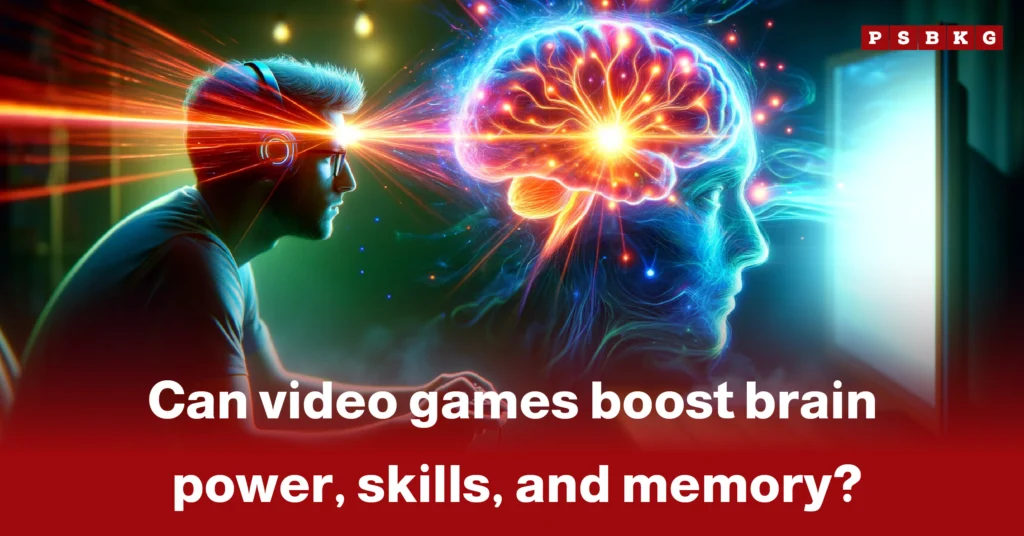
The Growing Debate on Gaming and the Brain
Latest News: Video games have long been viewed with suspicion, often linked to addiction or wasted time. But in recent years, researchers have found evidence that video games boost brain function and support cognitive health. Studies suggest that playing certain types of games can improve memory, attention, and problem-solving skills. Gamers report heightened alertness and faster decision-making in both virtual and real-life scenarios. While moderation is key, these findings challenge the stereotype that gaming is purely recreational or harmful.
Memory and Learning Benefits
One area where video games boost brain function is memory. Puzzle-based games, strategy titles, and role-playing games require players to remember patterns, rules, and sequences. This repeated mental exercise strengthens both short-term and long-term memory. Some studies even show that older adults who engage in gaming can improve cognitive recall and delay age-related memory decline. Memory challenges embedded in games make learning fun, and the rewards system encourages repeated practice without the pressure of a traditional classroom.
Enhancing Problem-Solving and Strategic Thinking
Games that involve strategy, planning, and complex challenges can enhance problem-solving skills. Players learn to anticipate outcomes, evaluate multiple possibilities, and make rapid decisions under pressure. This skill set can transfer to real-life scenarios, such as work, education, and personal decision-making. Experts highlight that role-playing and simulation games, in particular, encourage creative thinking and adaptability. Regular gameplay can train the brain to process information faster while weighing risks and rewards effectively.
Attention, Focus, and Multitasking
Many video games require intense concentration and rapid switching between tasks. Action, shooting, or multiplayer online games often demand players to track multiple moving elements simultaneously. Studies suggest that such gameplay improves visual attention, multitasking, and mental flexibility. Gamers may become better at focusing in high-stress situations, filtering distractions, and responding quickly. However, specialists caution that excessive screen time can have the opposite effect, so balanced gameplay is essential.
Social Interaction and Team Skills
Contrary to the stereotype of isolated gamers, many modern games promote teamwork and collaboration. Multiplayer online games encourage communication, coordination, and leadership among players. These social interactions enhance emotional intelligence and team problem-solving skills. Gamers learn negotiation, resource management, and strategic planning within a social context. Experts suggest that these skills can translate to workplace environments, group projects, and community engagement, offering practical benefits beyond gaming itself.
Potential Risks and Moderation
While the cognitive benefits are real, experts warn against overindulgence. Excessive gaming can lead to eye strain, sleep disruption, and sedentary lifestyle problems. Video games should complement other healthy habits like exercise, social interaction, and mental breaks. Choosing games that stimulate thinking rather than just passive entertainment is crucial. Moderation, mindful gaming, and balancing virtual and real-world activities are key to harnessing the benefits without suffering negative effects.
Educational and Brain-Training Games
Educational games and brain-training apps are specifically designed to enhance cognitive abilities. Games that challenge logic, memory, math, and language can improve skills while keeping users engaged. Schools and parents are increasingly incorporating gamified learning into curricula to make education more interactive. These games often provide instant feedback, track progress, and adjust difficulty, making them a personalized tool for skill development. Combining fun with learning makes these games particularly effective.
Conclusion: Gaming with Purpose
Video games are no longer just entertainment—they can be tools for cognitive growth when used responsibly. Strategy, puzzle, and memory-based games offer measurable improvements in brain power, problem-solving, and attention. Multiplayer games also build social and teamwork skills. The key is balance: moderation, mindful choice of games, and integration with other healthy habits can turn gaming into a beneficial activity. For many, video games are evolving from a pastime into a way to train the mind while enjoying the challenge.