

Understanding Stress and Anxiety
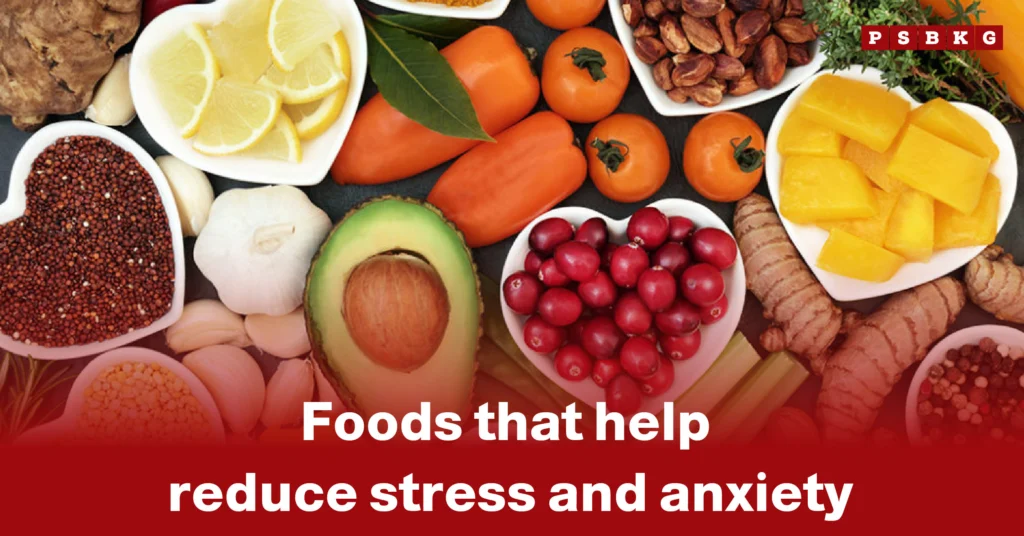
Latest News: Stress and anxiety are becoming increasingly common in today’s fast-paced world. Long working hours, academic pressure, and personal challenges often leave people feeling overwhelmed. While meditation, exercise, and sleep are essential for mental health, nutrition also plays a critical role. Certain foods to reduce stress contain nutrients that support brain function and help regulate mood. Eating mindfully can lower stress hormones and boost overall mental well-being, offering a natural complement to other coping strategies.
Leafy Greens and Vegetables
Vegetables like spinach, kale, and broccoli are excellent foods to reduce stress because they are rich in magnesium, a mineral known to improve sleep and support relaxation. Magnesium helps regulate the body’s response to stress, while leafy greens provide vitamins, antioxidants, and fiber that promote gut health. Experts note that a healthy gut can directly influence brain function, helping reduce feelings of anxiety. Incorporating salads, stir-fries, and smoothies with leafy greens can naturally create a calming effect.
Fatty Fish and Omega-3s
Fatty fish such as salmon, mackerel, and sardines are among the top foods to reduce stress because they are rich in omega-3 fatty acids. Omega-3s support brain health by reducing inflammation and stabilizing mood. Studies suggest that regularly consuming fatty fish can lower cortisol, the body’s stress hormone, and ease symptoms of anxiety. Adding grilled or baked fish to meals a few times a week can benefit both mental and cardiovascular health. For those who prefer plant-based options, flaxseeds and walnuts also provide omega-3s.
Fruits and Berries
Fruits like oranges, blueberries, and strawberries rank among the best foods to reduce stress because they are rich in vitamin C and antioxidants. Vitamin C can lower stress hormone levels while boosting immunity, and berries contain compounds that support brain health and protect against oxidative stress. Including fresh fruit in breakfast, snacks, or desserts not only satisfies sweet cravings but also helps calm the nervous system. Nutritionists often recommend pairing fruit with protein or nuts for longer-lasting energy and stress relief.
Nuts, Seeds, and Dark Chocolate
Almonds, walnuts, pumpkin seeds, and sunflower seeds are excellent foods to reduce stress because they are packed with healthy fats, magnesium, and vitamin E. These nutrients help regulate mood and improve cognitive function. Small portions of dark chocolate, especially with high cocoa content, can also lower stress by increasing serotonin levels. Experts caution moderation, as overconsumption may lead to weight gain. Enjoying nuts or a square of dark chocolate during stressful moments can provide a quick mental lift and a sense of comfort.
Whole Grains and Complex Carbohydrates
Whole grains like oats, brown rice, and quinoa rank among the top foods to reduce stress because they provide complex carbohydrates that stimulate serotonin production, a neurotransmitter that promotes feelings of happiness and calm. They also deliver sustained energy, helping prevent sudden mood swings caused by blood sugar fluctuations. Incorporating breakfast cereals, porridge, or whole-grain sandwiches into your diet can support a balanced mood throughout the day. Breakfast cereals, porridge, or whole-grain sandwiches can help maintain a balanced mood throughout the day. Replacing refined grains with whole grains can make a noticeable difference in managing stress.
Herbal Teas and Hydration
Staying hydrated is essential for mental clarity and reducing anxiety, and certain foods to reduce stress include herbal teas like chamomile, peppermint, and green tea. Chamomile, in particular, has anti-anxiety properties and can promote better sleep, while green tea contains L-theanine, an amino acid that encourages relaxation without causing drowsiness. Experts recommend drinking herbal teas in the evening or during breaks to reduce tension and enhance focus. Proper hydration also prevents fatigue, which can worsen stress.
Probiotics and Fermented Foods
Probiotics found in yogurt, kefir, kimchi, and sauerkraut support gut health, which is closely linked to mental well-being. A healthy gut microbiome can influence mood, reduce inflammation, and improve resilience to stress. Including fermented foods in daily meals can have both digestive and mental health benefits. Nutritionists suggest starting with small portions and gradually increasing intake for optimal results. Combined with other stress-relieving foods, probiotics create a holistic approach to managing anxiety naturally.
Conclusion: Eating for Calm and Balance
A balanced diet with nutrient-rich foods can significantly reduce stress and anxiety. Leafy greens, fatty fish, fruits, nuts, whole grains, and herbal teas work together to regulate hormones, improve brain function, and stabilize mood. While lifestyle changes like exercise, meditation, and adequate sleep are crucial, mindful eating enhances these efforts. Incorporating these foods into daily meals offers a natural, sustainable way to stay calm and resilient in a stressful world. Making small, consistent dietary choices can lead to lasting mental and physical benefits.