
Global Health Body Issues Warning
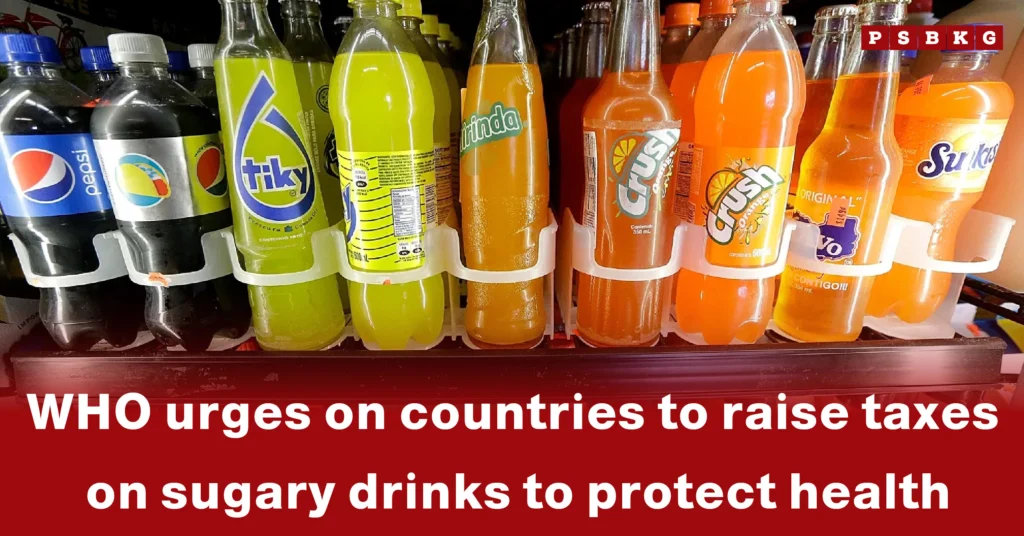
Latest News: The World Health Organization (WHO) has once again urged governments worldwide to implement a WHO sugary drinks tax to protect public health. Officials warn that high consumption of sugary beverages increases the risk of obesity, diabetes, and heart disease. In many countries, people especially children and young adults consume sugary drinks regularly. WHO emphasizes that fiscal policies like taxes can effectively reduce consumption and encourage healthier choices.
Sugary Drinks Pose Serious Health Risks
Experts note that sugary beverages contain large amounts of added sugars, driving rising rates of obesity and lifestyle-related diseases. Children remain particularly vulnerable, as early habits often continue into adulthood. Regularly consuming these drinks can cause type 2 diabetes, dental problems, and cardiovascular issues. WHO recommends that governments combine a WHO sugary drinks tax with public awareness campaigns to educate people about these risks. Countries that have implemented such taxes report noticeable declines in sugary drink consumption.
Evidence from Previous Tax Policies
Several countries, including Mexico, the UK, and South Africa, have introduced a WHO sugary drinks tax and achieved promising results. In Mexico, for example, sugary drink consumption dropped by about 7% during the first year after the tax came into effect. Public health experts argue that such policies not only reduce unhealthy habits but also generate revenue that governments can invest in healthcare initiatives. WHO emphasizes that other nations can adopt a similar approach to achieve comparable public health benefits.
Economic and Social Implications
Raising taxes on sugary beverages can also produce broader economic and social benefits. Governments can use revenue from a WHO sugary drinks tax to fund health programs, school nutrition initiatives, and campaigns promoting physical activity. Critics argue that such taxes may disproportionately affect low-income households, but WHO maintains that the health benefits and revenue gains outweigh these concerns. Providing affordable healthy alternatives remains essential to make these policies both equitable and effective.
Calls for Global Cooperation
WHO urges countries to collaborate in tackling the global health crisis caused by sugary drinks. Public health experts recommend that coordinated efforts include a WHO sugary drinks tax, clear labeling, and restrictions on marketing sugary beverages to children. Collaboration can also support research on consumption trends and health outcomes. Combined with taxes, these measures can significantly reduce the global burden of non-communicable diseases.
Industry Pushback and Challenges
The beverage industry has often opposed a WHO sugary drinks tax, claiming it could hurt businesses and limit consumer choice. WHO acknowledges these concerns but emphasizes that protecting public health must remain the priority. Governments can work with the industry to reformulate products with lower sugar content while preserving consumer options. Transparency and evidence-based policies remain essential to overcoming resistance and ensuring long-term success.
Public Awareness and Education
Alongside taxation, WHO highlights the importance of public education campaigns. Governments can pair a WHO sugary drinks tax with initiatives that teach citizens about the risks of sugary beverages and the benefits of healthier alternatives such as water, natural fruit juices, and milk. Schools and communities play a vital role in promoting these habits. Early interventions can prevent obesity and chronic diseases later in life, making education a crucial complement to taxation policies.
Looking Ahead: Policy Recommendations
WHO recommends a multi-pronged approach: increase taxes, limit advertising to children, improve labeling, and support healthier alternatives. Governments are encouraged to monitor and evaluate the impact of such measures regularly. Evidence from multiple countries shows that fiscal policies combined with education and regulation can be highly effective. Experts warn that failure to act could worsen the global epidemic of obesity and diabetes in the coming decades.
Conclusion
The WHO’s call to raise taxes on sugary drinks is a timely reminder of the growing public health challenges faced worldwide. While implementation may face political and industry hurdles, the potential benefits for population health are significant. Governments, citizens, and health organizations must work together to reduce sugar consumption, promote healthier lifestyles, and ensure that future generations are protected from preventable diseases.