
Back-and-forth on a Long-Delayed Pipeline
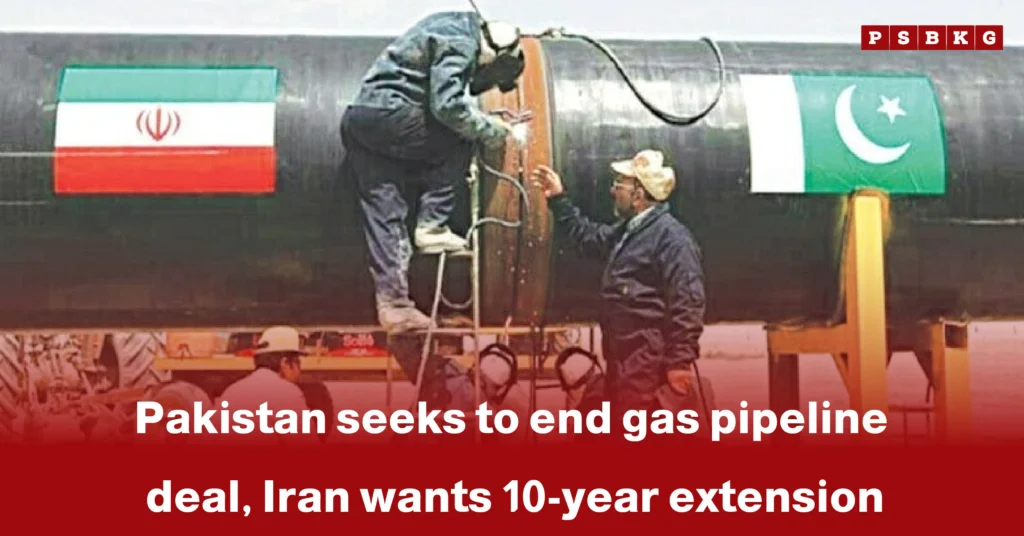
Latest News: Pakistan Iran gas pipeline extension talks have intensified as Pakistan has formally informed Iran that it wants to terminate the long-standing Iran-Pakistan (IP) gas pipeline agreement, a project stalled for more than a decade. Tehran, however, is pushing for a 10-year Pakistan Iran gas pipeline extension to revive the gas sales pact and keep diplomatic channels open. This disagreement highlights deeper energy and geopolitical challenges facing both neighbours. Despite multiple extensions in the past, Pakistan says changing conditions now complicate the future of the Pakistan Iran gas pipeline extension and the overall project.
A Project Stalled Since 2014
The billion-dollar Iran-Pakistan gas pipeline project was first conceived in 2009, with the expectation that Iran’s natural gas would flow into Pakistan to help meet its energy needs. Work on the pipeline stopped around 2014, mainly because of U.S. sanctions on Iran that discouraged investment and construction on the Pakistani side. Iran completed its portion up to the border but Pakistan never began its construction. The project has been stalled for years, with frequent diplomatic adjustments and extensions.
Pakistan’s Reasons for Ending the Deal
Officials in Islamabad argue that circumstances have shifted significantly since the pipeline was first agreed. Pakistan says it no longer needs additional gas urgently, noting low domestic demand and a surplus of imported LNG from suppliers like Qatar. With reduced demand and the high cost of Iranian gas compared to other sources, Pakistan prefers to shelve the agreement entirely unless key conditions change. It has also cited pressure from the United States, which continues to enforce sanctions against Tehran, complicating any direct energy project involvement.
Iran’s Push for a New Extension
Iran, for its part, is not ready to close the chapter. Tehran has offered to extend the gas sale agreement by another decade in hopes of keeping the project alive. Officials in Tehran argue they have fulfilled their obligations by building the pipeline up to the border, and now they want Pakistan to honour its side of the deal. The extension proposal reflects Iran’s desire to protect its investment and maintain energy cooperation with its neighbour, despite the project’s prolonged delays.
Sanctions Remain a Major Obstacle
At the heart of the disagreement lies the challenge posed by U.S. sanctions on Iran. Pakistan has repeatedly requested a sanctions waiver that would allow it to execute the pipeline project without risking penalties, but Washington has so far refused to grant one. U.S. officials have cautioned against engaging in energy deals with Iran, warning of implications under the sanctions regime. Without a waiver, Pakistan says it cannot legally move ahead with construction or import arrangements.
Legal and Diplomatic Maneuvers
Iran’s extended offers come amid legal tensions. Tehran previously took legal action against Islamabad for failing to advance the pipeline on time, and both countries have engaged in back-door diplomacy to resolve the issue. Pakistan has floated alternative ideas in the past including proposals to build shorter pipelines or link lines from the border to other domestic infrastructure but none have come to fruition under current global pressure.
Energy Demand and Market Shifts
Part of Pakistan’s reluctance also stems from shifting energy market conditions. Domestic consumption of natural gas has fallen in some sectors, and the country currently imports significant volumes of LNG to meet power needs. These imports have often been more cost-effective than older, longer-term pipeline commitments. With Qatar scheduled to deliver LNG cargoes this year and lower demand in domestic markets, Pakistan says it sees limited benefit in locking itself into existing pipeline contracts.
Wider Bilateral Implications
The issue could have ripple effects on broader Pakistan-Iran relations. The two neighbours have long considered energy cooperation a pillar of their bilateral ties, and shelving the pipeline or pursuing legal alternatives could damage mutual trust. Iran’s willingness to extend the agreement by ten years suggests it still sees value in the relationship. Pakistan, meanwhile, continues to emphasise cooperation while pointing to practical hurdles.
Looking Ahead
What happens next depends largely on whether both sides can agree on new terms or concessions. Pakistan has floated the idea of reviving the project only if a sanctions waiver is secured, along with reduced gas prices and volumes. Iran, on the other hand, appears focused on maintaining the original pact’s validity through the extension. How long these negotiations will continue or whether the project will be ended entirely remains unclear.
Conclusion
The dispute over the Pakistan Iran gas pipeline highlights how energy deals today are as much about geopolitics as economics. Pakistan’s push to end the pipeline deal and Iran’s insistence on a decade-long extension reveal contrasting priorities shaped by sanctions, supply choices, and national needs. With both sides in ongoing discussions, the future of what was once a landmark energy project remains uncertain, leaving diplomats and energy planners watching closely.