
A Widespread Health Concern
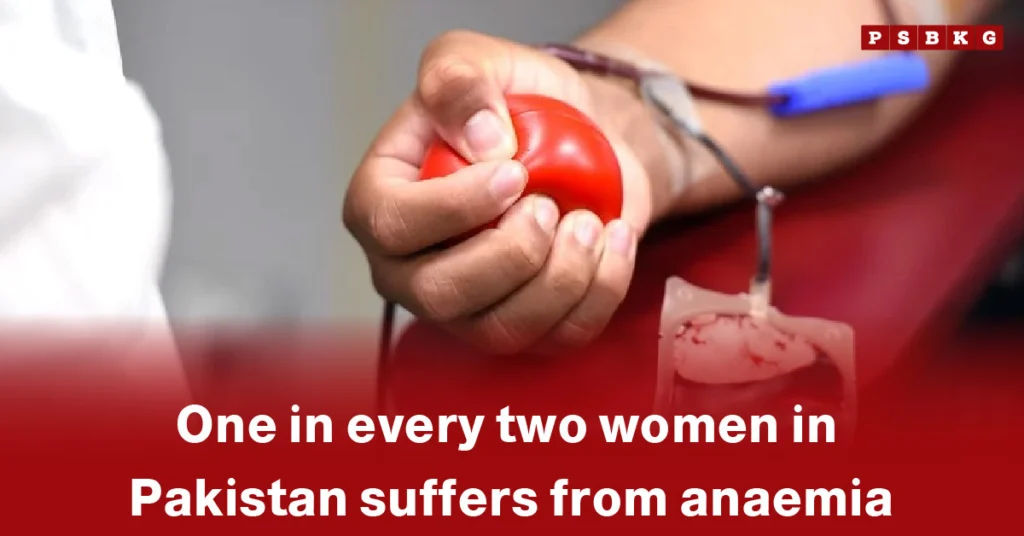
Latest News: Recent studies reveal a worrying statistic: nearly 50 percent of women in Pakistan are affected by anaemia. Health experts say this is one of the country’s most under-reported public health issues. Anaemia occurs when the body lacks enough healthy red blood cells, leading to fatigue, weakness, and other complications. Women, particularly those of reproductive age, are more vulnerable due to menstrual blood loss, pregnancy, and nutritional deficiencies. Doctors emphasize that awareness about prevention and treatment is still low in many communities.
Causes Behind the Crisis
Experts attribute the high prevalence to multiple factors. Iron-deficient diets, lack of essential vitamins, frequent pregnancies, and chronic illnesses all contribute to anaemia. Socioeconomic challenges also play a role, as many families cannot afford iron-rich foods like meat, eggs, and leafy vegetables. In rural areas, limited access to healthcare further exacerbates the problem. Additionally, cultural practices sometimes discourage consumption of certain nutritious foods by women. Without intervention, the cycle continues across generations.
Symptoms Often Overlooked
Anaemia can manifest subtly, making early detection difficult. Common symptoms include fatigue, pale skin, dizziness, and shortness of breath. Many women dismiss these signs as normal tiredness or stress. However, prolonged anaemia can affect mental focus, work productivity, and overall quality of life. During pregnancy, it poses serious risks to both the parent and the baby, including premature birth or low birth weight. Health professionals encourage regular check-ups and blood tests to catch anaemia early.
Impact on Daily Life
Living with anaemia affects more than just physical health. Women often report difficulty keeping up with household chores, school, or work responsibilities. Fatigue can lead to absenteeism and lower productivity. Emotional well-being is also impacted, as persistent tiredness may cause irritability and stress. Families may unknowingly underestimate the severity, considering it a routine condition. Experts argue that addressing anaemia not only improves health but also enhances women’s social and economic participation.
Prevention and Dietary Measures
Nutrition plays a key role in preventing anaemia. Experts recommend incorporating iron-rich foods such as red meat, eggs, lentils, beans, spinach, and fortified cereals. Vitamin C helps absorb iron more effectively, so including citrus fruits and tomatoes is beneficial. Regular meals with a balance of protein, iron, and vitamins are essential. Doctors also suggest avoiding excessive tea or coffee during meals, as they can hinder iron absorption. Small dietary changes can make a significant difference over time.
Medical Intervention and Supplements
In moderate to severe cases, iron supplements or injections may be prescribed by a healthcare professional. Folic acid, vitamin B12, and other micronutrients are also recommended based on individual needs. People who are pregnant are often given prenatal vitamins to prevent anaemia. Experts warn against self-medicating, as improper dosage can cause side effects. Regular monitoring ensures effectiveness and safety. Combining supplements with dietary changes offers the best results.
Government and NGO Initiatives
Several public health campaigns aim to raise awareness about anaemia. Government programs promote iron supplementation, nutritional education, and screening in schools and communities. NGOs work to reach rural and underserved populations, distributing fortified foods and organizing awareness sessions. Experts note that consistent follow-up is key to reducing prevalence. Collaboration between healthcare providers, communities, and policymakers is vital to make a real impact.
Challenges in Rural Areas
Rural regions face the greatest hurdles in combating anaemia. Limited access to healthcare, lack of nutrition knowledge, and economic constraints all contribute. Many women may not seek medical advice until symptoms become severe. Cultural norms sometimes discourage women from attending health clinics. Transportation and financial barriers make regular check-ups difficult. Focused interventions and community-based programs are essential to address these gaps effectively.
The Road Ahead
Experts emphasize that tackling anaemia requires a multi-pronged approach. Awareness campaigns, improved nutrition, accessible healthcare, and policy support are all necessary. Screening women regularly, especially during pregnancy, can prevent serious complications. Families can play a supportive role by encouraging a balanced diet. With sustained efforts, the rate of anaemia can gradually decline, improving health outcomes for millions of women across Pakistan.