
A Historic Figure Passes Away
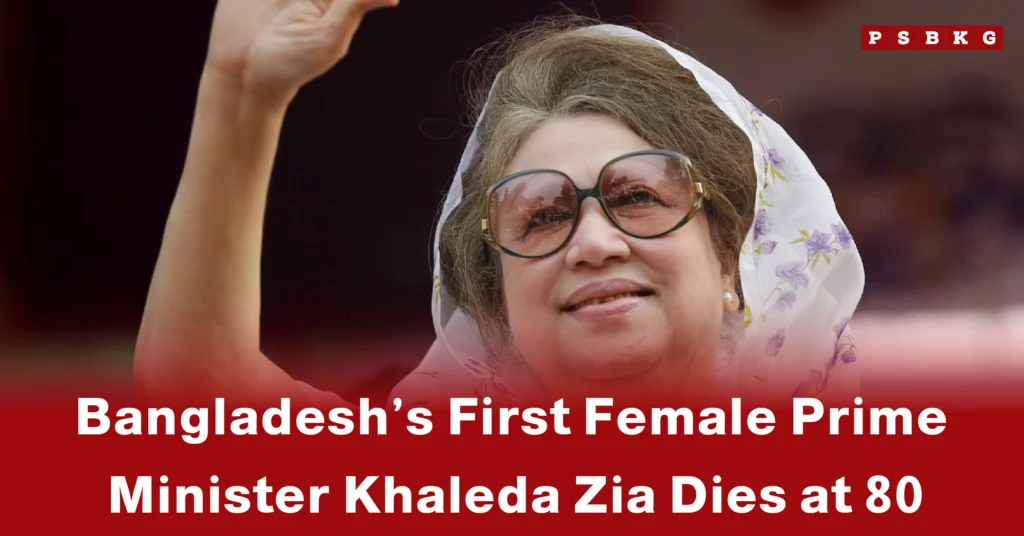
Latest News: Khaleda Zia, Bangladesh’s first female prime minister and one of the most influential political figures in the country’s history, passed away at the age of 80. The Khaleda Zia death marks the end of an era in Bangladeshi politics. For decades, she remained a central figure, shaping national debate and influencing the country’s political direction through turbulent times.
From Military Family to Political Leadership
Born into a respected family, Khaleda Zia followed an unconventional path into politics. She entered public life after her husband, President Ziaur Rahman, was assassinated in 1981. What began as a reluctant political role soon grew into a long and powerful career. She emerged as a strong leader of the Bangladesh Nationalist Party, commanding loyalty and public attention even up to the time of the Khaleda Zia death.
Becoming Prime Minister
Khaleda Zia made history in 1991 when she became Bangladesh’s first woman prime minister. Her victory marked a milestone for women in South Asian politics. She later served another term, becoming one of the longest-serving leaders in the country. Supporters admired her determination, while critics challenged her policies, but her influence remained undeniable even at the time of the Khaleda Zia death.
Rivalry That Defined an Era
Her political life closely tied to a long-standing rivalry with Sheikh Hasina. The rivalry shaped Bangladesh’s politics for decades, often polarizing society. Elections, protests, and governance frequently reflected the competition between the two leaders. Many analysts believe this rivalry defined modern Bangladeshi politics more than any single policy or reform, even at the time of the Khaleda Zia death.
Challenges and Controversies
Khaleda Zia’s career faced controversy. Critics targeted her governance, corruption allegations, and episodes of political unrest. In later years, legal battles and imprisonment removed her from active politics. Despite these challenges, her supporters said she remained a symbol of resistance and political struggle, even at the time of the Khaleda Zia death.
Health Struggles in Later Years
In recent years, Khaleda Zia’s health raised growing concern. She suffered from multiple medical issues and spent long periods receiving treatment. Her declining health limited public appearances, but her political presence remained through statements and party leadership decisions. News of the Khaleda Zia death followed months of concern among supporters.
Public Reaction Across Bangladesh
News of the Khaleda Zia death triggered an outpouring of reactions across Bangladesh. Supporters mourned the loss of a leader they considered courageous and resilient. Political rivals also acknowledged her role in shaping the nation’s history. Social media flooded with tributes, memories, and debates over her legacy, reflecting her lasting impact.
International Recognition
Khaleda Zia gained recognition beyond Bangladesh’s borders. International leaders and organizations acknowledged her role as a pioneering female leader in a male-dominated political landscape. Her leadership brought Bangladesh into global discussions, especially during her time in office. Condolences poured in following the Khaleda Zia death from regional and international figures.
A Complex Political Legacy
Her legacy remains complex and deeply debated. To supporters, she was a symbol of democracy and resistance. To critics, her tenure raised questions about governance and accountability. Yet, few dispute her historical importance. She broke barriers for women and remained a dominant political force for decades.
Impact on Women in Politics
As the first woman to lead Bangladesh as prime minister, Khaleda Zia inspired countless women to enter politics. Her leadership showed that women could hold the highest offices in the country. Even those who disagreed with her politics acknowledge her role in reshaping perceptions of women’s leadership in South Asia.
Conclusion
Khaleda Zia’s death closes a significant chapter in Bangladesh’s political history. She was a leader shaped by tragedy, conflict, and determination. Her journey from the shadows of national tragedy to the highest office defined an era. As Bangladesh reflects on her life, her influence, controversies, and achievements will continue to be discussed for generations.