

Annual Price Trends Revealed
Latest News: New data has revealed the price changes in a year for everyday items. Consumers across the country are noticing the impact in their daily expenses, as some products have become significantly more expensive while others are surprisingly cheaper. The report provides a snapshot of inflation trends, giving people insight into where their money goes.
Food Items See Mixed Changes
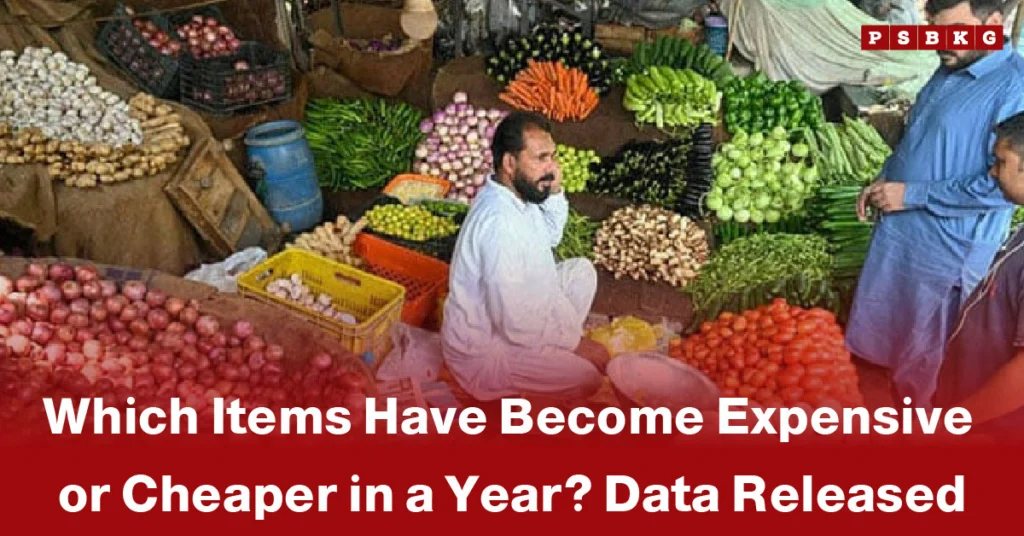
Food prices continue to be a major concern, reflecting significant price changes in a year. Some staples like wheat, rice, and sugar have seen moderate increases, affecting household budgets. On the other hand, seasonal vegetables and fruits in certain regions have become slightly cheaper due to abundant supply. These fluctuations reflect a combination of domestic production trends and global market influences.
Fuel and Energy Costs Rise
One of the most noticeable trends in price changes in a year is in fuel prices. Petrol, diesel, and cooking gas costs have risen steadily, impacting transportation and household expenses. Increased energy costs have also influenced the prices of goods that rely on transportation, creating a ripple effect on overall living costs.
Clothing and Household Items
Retail reports show moderate price changes in a year for clothing and household items, though not as dramatic as food and fuel. Imported goods, in particular, have become costlier due to currency fluctuations and import duties. Local manufacturers of essential household products, however, have tried to maintain stable prices where possible.
Technology and Electronics
Interestingly, some electronics and tech gadgets show notable price changes in a year. Discounts, competition among retailers, and global supply improvements have reduced prices of smartphones, laptops, and accessories. This trend provides some relief for consumers looking to upgrade their devices without heavily impacting their budget.
Healthcare and Education Costs
Healthcare and education show uneven price changes in a year. Medicines for chronic conditions have become slightly more expensive, while some private school fees remain stable. Public healthcare services continue to offer affordability, but rising costs in private facilities are a growing concern for families managing multiple expenses.
Consumer Reactions
The public response to price changes in a year is mixed. Some feel relief over lower prices of certain products, while others struggle with rising costs in essentials like fuel and food. Many families adjust their budgets, choose cheaper alternatives, or reduce non-essential purchases to cope with inflation.
Economic Experts Weigh In
Economists say the price fluctuations are a natural outcome of market forces, seasonal variations, and global economic trends. They emphasize that understanding these trends helps households make informed decisions. Experts also suggest monitoring consumption patterns and prioritizing essential items to manage budgets more effectively.
Government Measures and Outlook
Authorities have acknowledged the impact of rising prices and are taking steps to stabilize the market. Subsidies, price controls, and import management are among measures used to prevent excessive inflation. While some relief is expected in the coming months, experts caution that external factors like fuel prices and global supply chains may continue to influence domestic prices.
Conclusion
The data on price changes over the past year highlights both challenges and opportunities for consumers. While essential items like food and fuel have become costlier, some goods like electronics have become more affordable. Understanding these trends helps households plan better and adjust spending habits. Monitoring such data regularly ensures citizens remain informed and can make smarter financial decisions.