
Stylized logo showcasing "Breaking News" in bold red and black text, emphasizing urgency and importance of current events. latest news
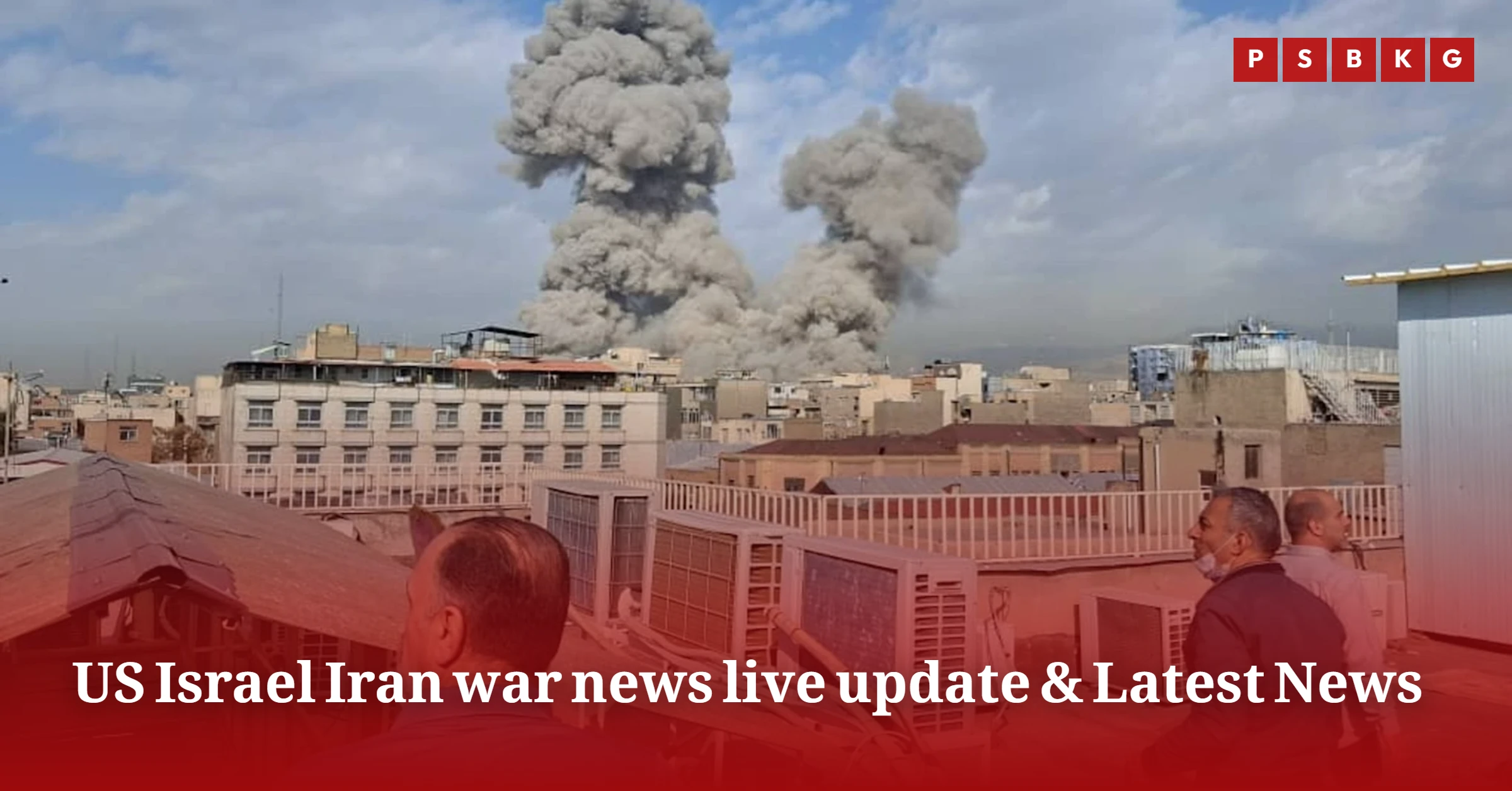
Oil Prices Rise Globally After Israeli, US Actions Against Iran Trump Claims US Killed 48 Top Iranian Figures, Destroyed Military Command

Premature births increasing cases of infant blindness, experts issue warning

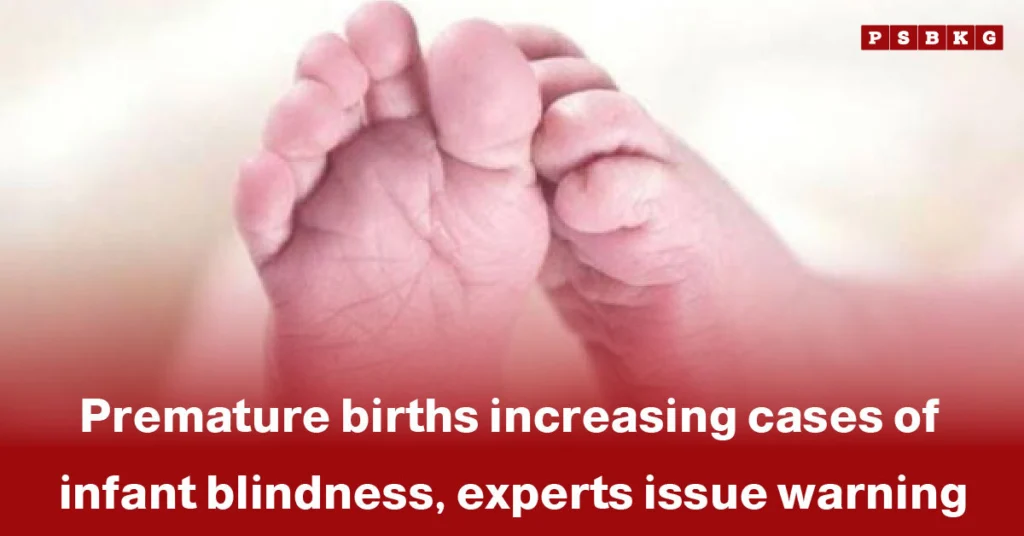
A close-up of a newborn’s tiny feet, emphasizing expert warnings about the rising risks of premature birth, including increased chances of blindness and other health complications in infants.

A rising concern in neonatal health

 Latest News: Medical experts are raising alarms over a troubling trend: rising cases of blindness among infants born prematurely. Neonatal units report more babies showing vision problems, often linked to premature birth. While modern medicine has improved survival rates, these tiny lives face new challenges. Doctors warn that even babies born a few weeks early can develop eye complications, sometimes leading to partial or total blindness if not detected. Parents and healthcare providers are urged to monitor newborn eye health closely, highlighting the importance of understanding premature birth risks.


Understanding the link between prematurity and blindness

Premature babies’ organs, including their eyes, are not fully developed at birth. The retina, which detects light and forms images, is especially vulnerable. Experts highlight retinopathy of prematurity, where abnormal blood vessel growth can harm vision. If untreated, it can progress fast. Even small changes in oxygen levels or neonatal care can affect outcomes. This issue is not rare  high-risk hospitals see more cases each year. The problem may start subtly but can have lifelong consequences, underlining the importance of understanding premature birth risks.

Why awareness is critical

Early detection is crucial for premature babies. Specialists advise parents to follow routine eye exams, even if the baby seems healthy. Screening in the first weeks can prevent permanent damage and sometimes reverse early retinal problems. Lack of awareness often delays these checks. Families may think surviving premature birth is the only challenge, overlooking hidden risks. Experts emphasize that vigilance and proactive care are vital to reduce blindness and address premature birth risks.

Preventive measures in neonatal care

Hospitals are tightening monitoring for premature babies, focusing on oxygen therapy, feeding, and neonatal support. Careful oxygen control, growth tracking, and timely intervention reduce vision risks. Nurses and pediatricians are key in spotting warning signs and referring infants to eye specialists. Simple steps like regular eye exams and staff training can make a big difference. Medical teams stress that prevention is better than cure, especially given the serious consequences of premature birth risks.

Long-term impacts on children and families

Blindness or vision problems in infants affect the whole family. Parents face emotional stress, logistical challenges, and financial burdens for treatment and rehab. Early intervention, like vision therapy and adaptive tools, can improve outcomes, but delayed detection limits options. Educators and social workers stress preparing for the child’s developmental needs. Experts highlight that the emotional and social impact is serious, making prevention and early care essential to address premature birth risks.

Calls for national awareness campaigns

Health authorities and NGOs are urging awareness campaigns on premature birth risks and related blindness. Public messages highlight prenatal care, timely delivery planning, and postnatal eye screenings. Communities are encouraged to support families and ensure access to specialized care. Experts say reducing blindness requires coordination between hospitals, policymakers, and caregivers. Knowledge and vigilance can prevent permanent vision loss, making a serious risk more manageable.

Hope through research and innovation

Ongoing research offers hope against premature birth risks. Advances in neonatal care, retinal therapy, and early screening help identify at risk infants sooner. Clinical trials are testing treatments to protect developing eyes, even in extremely premature babies. Doctors are cautiously optimistic that awareness, better protocols, and technology can reduce blindness cases. For now, vigilance, education, and proactive care remain the first line of defense.

Share With Others

Popular Posts

Advertisement

A promotional graphic featuring a stylish motorcycle helmet, urging riders to protect their heads and wallets with discounts. latest news.

Black Friday

Bold text advertises a "Big Sale" with discounts up to 30% off, set against a soft pastel background. Latest News.

Social Share

Facebook
Twitter
LinkedIn
Pinterest
WhatsApp
A smiling woman with long hair, wearing a pink cap and purple shirt, promotes a 50% off discount on new fashion styles. latest news

Related Articles: