

The rise of digital therapy
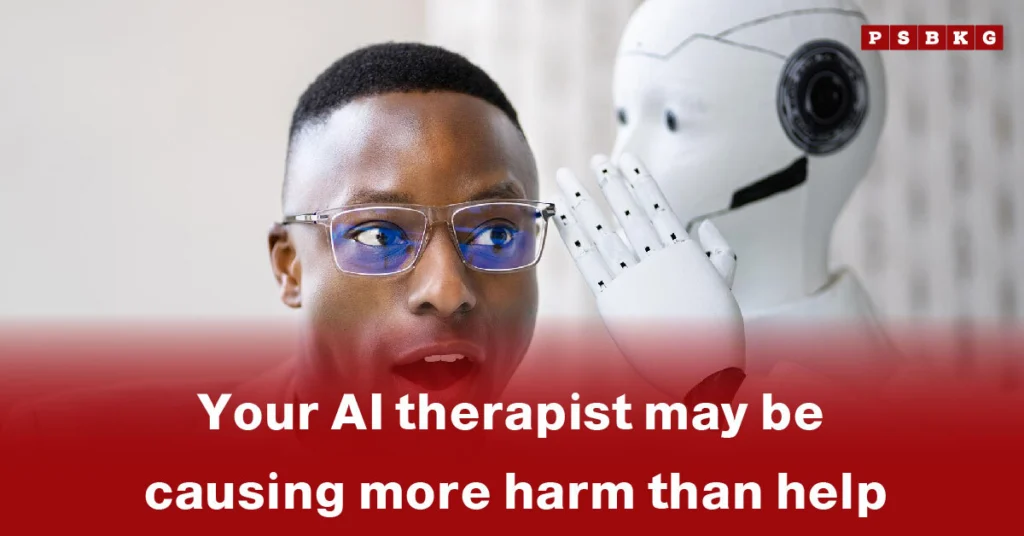
Latest News: In recent years, AI chatbots have been used widely for emotional support. Millions of people turn to them when anxiety, loneliness, or stress is felt. They are available 24/7, respond instantly, and are often perceived as understanding. For those who struggle to open up to humans, comfort is provided. But experts warn that AI therapy risks are being overlooked. Beneath the convenience, it is possible for programmed responses to be mistaken for genuine understanding. The line between support and harm is made thinner than it seems.
Why AI struggles to understand emotion
False confidence in technology
When comfort replaces real progress
Privacy and ethical concerns
AI as a supportive tool, not a replacement
The human touch remains essential
Ultimately, therapy is about understanding, connection, and careful guidance — things that only humans can fully provide. Human therapists can notice subtle cues, interpret tone, and respond to emotional complexity in ways AI cannot. The rise of AI therapy should not overshadow the importance of professional support. Balancing AI as a supplementary tool while maintaining access to trained therapists ensures safety, empathy, and effective treatment. Emotional well-being requires depth, and no algorithm can replace the subtle art of human care.