
A Growing Sense of Unease in Islamabad
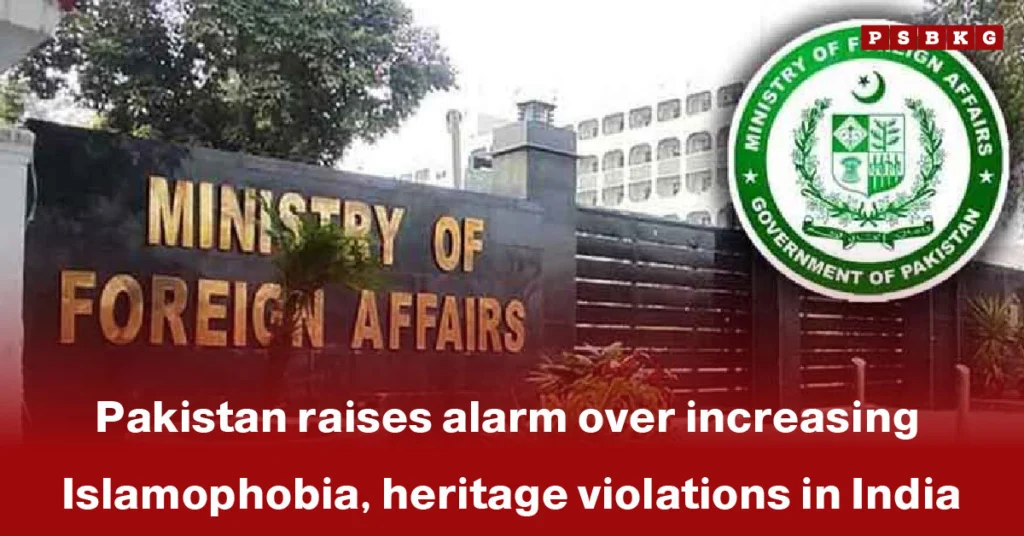
Latest News: Pakistan has voiced deep concern over the rise of Islamophobia in India. Officials say Muslim heritage sites are being increasingly disregarded. Islamabad warns it can no longer remain silent as incidents pile up. The atmosphere is becoming hostile for millions of Muslims. The government believes this pattern is systematic, not isolated. For Pakistan, this is not just India’s internal matter but a regional issue with long-lasting consequences.
Reports of Intolerance Fuel Diplomatic Anxiety
Over the past months, local and international bodies have reported discrimination, mob violence, and political rhetoric against Muslim communities. Pakistani officials say they are closely monitoring the rise of Islamophobia in India. They see a worrying escalation. While such concerns have been raised before, Islamabad notes the climate now feels different more open, normalized, and dangerous. Officials believe intolerance is no longer at the fringes but spreading in wider social and political spaces. This shift is why they felt compelled to raise the alarm again.
Heritage Sites Becoming Flashpoints
One of the strongest parts of Pakistan’s message focused on threats to historic mosques, shrines, and centuries-old Muslim architecture. Officials say these places are part of a shared cultural legacy, not just religious sites. They link these attacks to the rise of Islamophobia in India. Disputes over these sites have become emotionally charged battlegrounds, often fueled by social media and political narratives. Pakistan warns that tampering with heritage deepens communal divides and risks rewriting history. Safeguarding these sites is essential for cultural coexistence to survive.
Muslim Communities Feeling the Pressure
Several advocacy groups have reported increased fear among Indian Muslim communities. They cite challenges in public spaces, workplaces, and schools. Pakistan echoed these concerns, linking them to the rise of Islamophobia in India. Officials say the social climate has become so tense that daily life feels uncertain for many. Such an environment can push marginalized communities into deeper insecurity and erode the fabric of a diverse society. Islamabad highlighted the silent toll this pressure takes, affecting millions personally, though it rarely makes headlines.
Diplomatic Calls for Global Attention
Pakistan urged international organizations, human rights groups, and global powers to pay attention to the rise of Islamophobia in India before it becomes irreversible. Officials said discrimination anywhere sets a precedent for intolerance everywhere. Their appeal was framed not just as support for Indian Muslims, but as a reminder of global responsibility for religious freedom. Islamabad wants the issue seen beyond regional rivalry, as part of a wider concern about rising intolerance and the vulnerability of minority communities. The statement stopped short of proposing concrete measures, instead calling for “urgent attention.”
India’s Policies Under Renewed Scrutiny
Islamabad’s response comes as India has taken steps that critics say are reshaping the religious landscape. Whether administrative or symbolic, Pakistan says these policies mainly affect Muslims. Officials link these changes to the rise of Islamophobia in India. They warn a long-term pattern may be forming, where legislation and public discourse gradually reduce space for pluralism. Pakistan emphasized that policies affecting millions cannot be dismissed as internal matters when they have regional consequences. The remarks suggest state-level decisions in India are increasingly seen as signs of broader ideological shifts.
A Call for Dialogue Despite Rising Tension
Even as Pakistan’s tone showed frustration, officials expressed hope that India would reflect on the rise of Islamophobia in India and take steps to ease tensions. They said dialogue is possible only if there is genuine willingness to address the issues behind growing mistrust. Islamabad stressed that peace in South Asia cannot thrive under a cloud of religious division. The message balanced criticism with an invitation for introspection, though patience is wearing thin. For Pakistan, acknowledging the problem is the first step toward defusing it.
The Road Ahead Looks Uncertain
The situation leaves both countries at a difficult crossroads. Islamabad feels compelled to speak out, while New Delhi rejects such criticism as interference. The rising debate over intolerance and Islamophobia in India, along with heritage disputes, is reshaping the regional conversation. Pakistan insists that ignoring these issues today will only increase resentment tomorrow. As both sides navigate an already delicate relationship, tensions remain high.