

A Sudden Decision Shakes Pharmacies
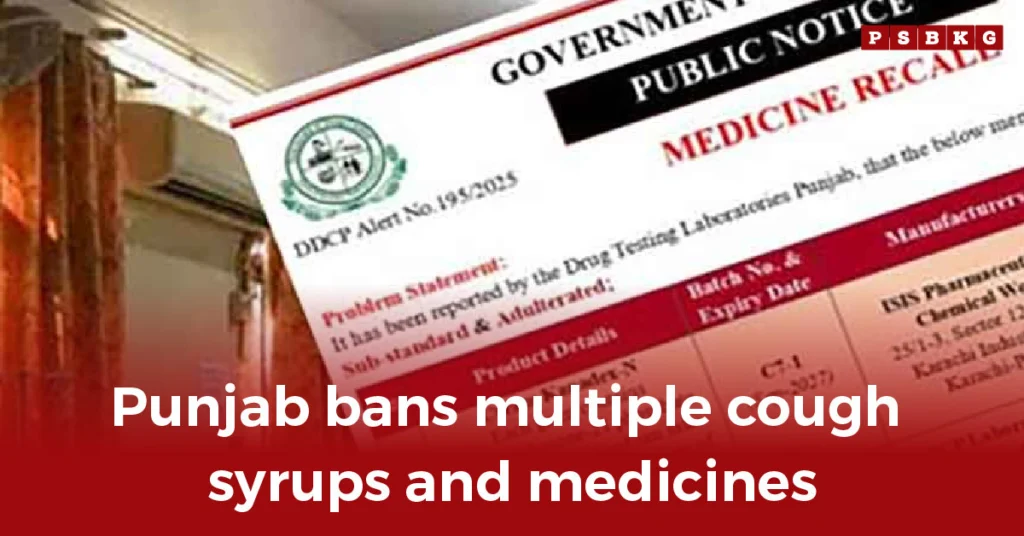
Latest News: Pharmacies across Punjab woke up to a surprising announcement as authorities implemented the Punjab medicine ban on several popular cough syrups and medicines. For many shopkeepers, the news felt sudden, leaving them scrambling to remove affected products from shelves. Customers also expressed confusion and concern, unsure which medications were safe to purchase. The ban reflects growing regulatory scrutiny over medicine safety, and officials have emphasized that public health remains the top priority. While some view it as a protective measure, others are worried about how easily essential medicines can disappear from circulation.
Authorities Cite Safety Concerns
The decision comes after health authorities flagged concerns regarding specific ingredients in the banned medicines. Laboratory tests reportedly found compounds that could pose risks, especially for children and older adults. Punjab’s health department stated that the Punjab medicine ban aims to prevent any adverse health outcomes before they occur. Officials said that while the medicines were previously available, evolving data and international warnings prompted immediate action. For many, the announcement served as a reminder that medicines are not always as safe as they seem, and continuous monitoring is critical for public well-being.
Impact on Patients and Daily Life
Pharmacies Struggle With Compliance
Shopkeepers and pharmacists are now tasked with removing banned medicines quickly, updating inventories, and ensuring compliance with authorities. Many small-scale pharmacies report difficulties in tracking which products are affected and where replacements can be sourced. The ban has created temporary confusion, with some stores temporarily halting sales of cough syrups altogether. Meanwhile, large pharmaceutical distributors are working overtime to clarify which products remain approved. The situation underscores the need for better communication between regulators and the healthcare industry to prevent unnecessary panic.
Experts Call for Caution and Awareness
Health experts have praised the ban but stressed that public awareness must accompany regulatory actions. Simply banning medicines is not enough if patients are unaware of safer alternatives. Doctors are being asked to counsel families, while public campaigns are expected to clarify which medicines remain safe. Experts also remind citizens not to panic or stockpile alternatives, as improper use of medications can create additional health risks. The balance between safety and accessibility has become a central conversation, emphasizing that health policies require both enforcement and education.
Looking at Long-Term Regulatory Steps
This move by Punjab’s authorities may be the start of broader reform in how medicines are monitored and approved. Officials are reviewing manufacturing practices, import sources, and labeling accuracy to prevent future incidents. The ban also signals stricter inspections and accountability for pharmaceutical companies. For the public, it offers a sense of reassurance that regulators are actively looking out for their health, even if the measures are inconvenient. Over time, the hope is that stronger regulation will create a more reliable and safer supply of medicines in the province.
Public Reactions and Future Outlook
People across Punjab have reacted with a mix of concern, frustration, and cautious approval. While some worry about accessibility, many appreciate the focus on health safety. Social media discussions reveal parents expressing unease about alternatives, while healthcare professionals stress patience and adherence to new guidelines. Moving forward, authorities aim to balance public health protection with uninterrupted access to essential medicines. For now, the ban acts as a wake-up call, reminding everyone that medicine safety is a continuous process, and vigilance is as important as availability.