
When the PM Calls, What’s Behind the Meeting?
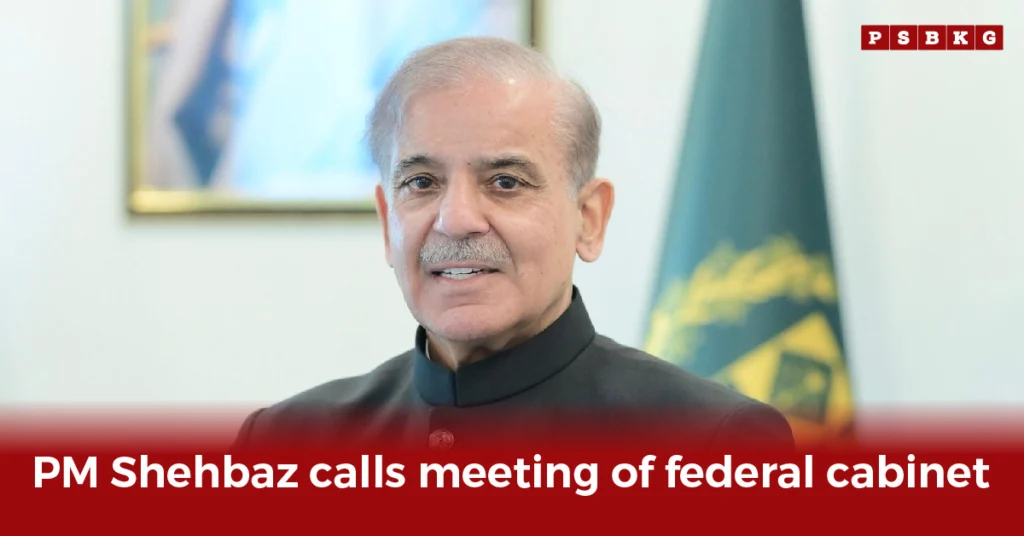
Latest News : It was early morning in Islamabad when word spread that Prime Minister Shehbaz Sharif had called a federal cabinet meeting. At first, it sounded routine, another day, another meeting. But anyone who follows Pakistan’s politics knows these sessions often carry significance beyond the surface. The timing, the agenda, and the quiet urgency surrounding it all hinted at something deeper. Officials said the federal cabinet meeting would cover reforms in the energy sector, matters related to railways, a few legal updates, and a review of the Prime Minister’s recent foreign trips. It might sound technical, but each topic carries its own political weight. So, what really lies behind this call? Routine governance, or a push to reassert control and direction in uncertain times?
The Stakes: Energy, Railways, and Legal Reforms
Among the key items on the table was the energy sector, the same sector that has haunted governments for years. Pakistan’s power system is struggling with circular debt, rising fuel costs, and outdated infrastructure. People still face load-shedding, industries complain, and bills keep climbing. The Prime Minister reportedly wants updates on ongoing reforms and plans to accelerate corrective steps. Then there’s the railways. A sector that connects cities and stories, but one that has been in crisis for decades. From financial losses to safety issues, the system has been limping. The cabinet was expected to review a draft ordinance aimed at improving operations and accountability. Small reforms here can mean a lot, better train schedules, fewer delays, cleaner coaches, maybe even renewed public trust. Legal affairs also figured in the discussions. The Prime Minister was expected to brief ministers about his foreign trips, how certain international agreements or legal understandings might reflect on domestic policies, and what legislative follow-ups could be required.
Reading Between the Lines
Every time a Prime Minister chairs the federal cabinet meeting personally, it signals more than administrative oversight. It means the leader wants direct engagement, to listen, to instruct, and to steer. Shehbaz Sharif, known for his hands-on style, rarely leaves things to drift. Bringing energy, railways, and legal reforms under one roof might be his way of connecting the dots. After all, these issues are intertwined. Energy affects industry, which affects transport, which circles back to governance and law. By tackling them together, the Prime Minister may be aiming to project a sense of coordination, a message that the government is functioning as one team, not a cluster of isolated ministries. There’s also timing. Coming after weeks of political noise and uneasy coalition dynamics, the move seems intended to refocus the government on policy rather than party sparring.
The Risks and the Politics Behind It
But every reform push in Pakistan faces resistance. Especially when it involves power tariffs, subsidies, or bureaucratic reshuffles. Vested interests don’t move easily. Energy reforms can provoke backlash, both from inside the system and from the public. The same goes for the railways, changes mean someone somewhere will lose influence or revenue. The coalition aspect adds another layer. Governing with multiple partners requires constant balancing. Some allies have been voicing frustration recently, and a forceful cabinet agenda can either reassure them or deepen tensions. It depends on how inclusive the discussions feel and whether key figures believe their opinions truly matter.
Public expectations are no less intense. When the Prime Minister calls a federal cabinet meeting to discuss “reforms,” ordinary people listen, not for jargon, but for results. They want to know if their bills will go down, if trains will run on time, if services will improve. If the promises made in these sessions don’t translate into real-life relief, frustration builds quickly.
Inside the Meeting: How Decisions Likely Unfold
If you picture the room, it’s a formal but focused setting, ministers seated around a long table, files stacked, presentations ready. The Prime Minister opens the floor, setting the tone with remarks about urgency and unity. Then come the briefings, energy first, then railways, followed by legal affairs. Each minister explains progress and hurdles. There’s often polite debate, sometimes pushback, especially when tough economic decisions are mentioned. At the end, the Prime Minister summarizes and issues directions, some immediate, others for follow-up committees. The outcomes of the federal cabinet meeting, which might seem procedural, shape the next few weeks of governance. Every decision approved or deferred sends a signal about the government’s priorities.
What It Means for Ordinary Pakistanis
For most citizens, the federal cabinet meeting may feel distant, yet its decisions echo through everyday life. Energy reforms can mean fewer power cuts or more predictable bills. Railway improvements could make travel safer and more comfortable. Legal measures might simplify procedures for businesses or bring better accountability.
In a country where governance often feels slow and disconnected, even small progress in these areas counts. And for a Prime Minister trying to keep a diverse coalition together, showing tangible improvements is not just policy, it’s survival. The meeting, in that sense, is about more than papers and briefings. It’s about direction, discipline, and the struggle to make bureaucracy move at the pace of politics.