
A new era of public mobility
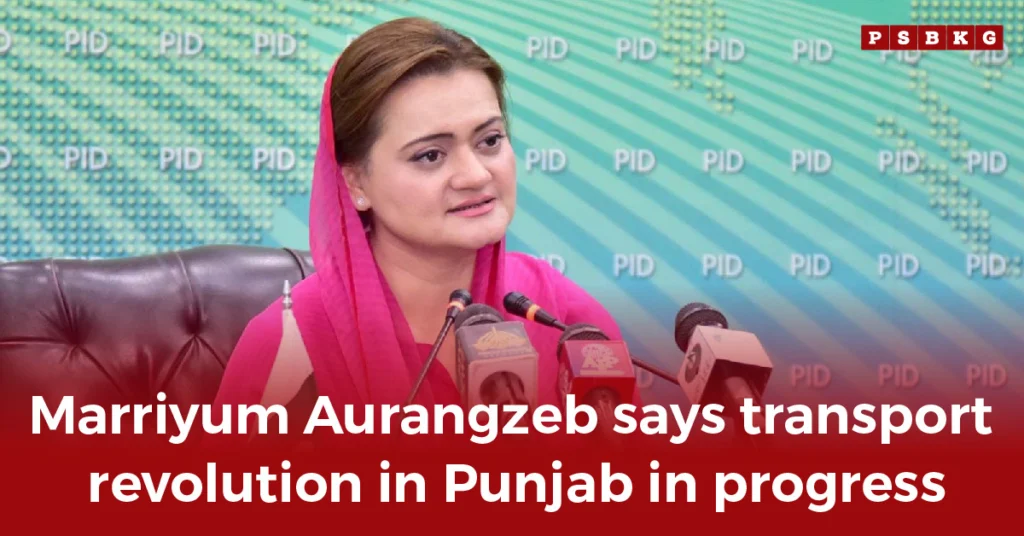
Latest News : Punjab is going through what officials are calling a transport revolution. Federal Minister for Information Marriyum Aurangzeb said that the province is making steady progress in reshaping its public transport system. According to her, this is not just about buses or trains. It is about building a system that improves daily life, strengthens the economy, and supports the environment. Speaking at a recent briefing, she noted that transport is now being seen as the backbone of development. When people can move easily, they can reach jobs, schools, and hospitals faster. That, she added, creates a direct impact on growth and social well-being.
Connecting people with opportunities
Aurangzeb explained that the government’s focus is to create affordable and reliable transport. She stressed that the goal is not only about more vehicles on the road but also about connecting people with opportunities. Better transport, she said, helps workers save time and money, supports students in reaching universities, and allows families easier access to healthcare. When mobility improves, businesses also benefit. Goods can be delivered faster, and services reach more customers.
Metro projects and expansion plans
Punjab has already seen transport projects like the Lahore Metro Bus and the Orange Line train. At first, these projects faced criticism. But over time, people started to see their benefits. Today, thousands use them every day to avoid long traffic jams and high fuel costs. Aurangzeb shared that the next stage is expansion. The government wants to link buses, trains, and smaller shuttles into one smooth system. If this happens, travel time will drop, and traffic pressure in major cities will ease. Officials believe this integration will also help cut pollution.
Moving toward greener transport
Another key part of the Punjab transport revolution is sustainability. The minister highlighted that the government is introducing electric buses and energy-efficient trains. Steps are also being taken to power transport hubs with renewable energy. The shift is badly needed. Punjab’s major cities, especially Lahore, face dangerous levels of air pollution. By adopting greener options, the government hopes to improve public health and reduce the province’s carbon footprint.
Partnerships and investments
Aurangzeb also spoke about the importance of partnerships. The government is investing in transport but is also bringing in private companies and international donors. These partnerships, she said, add innovation and expertise, while also sharing the financial load. Development agencies have shown interest in projects tied to clean energy and modern infrastructure. According to officials, these collaborations will help Punjab create a transport system that is not only efficient but also financially sustainable.
Making transport inclusive
The minister underlined that transport is not just about convenience, it is about equity. Poor and middle-class families depend most on public transport. If it fails, they are the ones who suffer the most. The government plans to expand services into smaller towns so that benefits reach more people outside big cities. Women’s safety and mobility were also mentioned. Dedicated seats, women-only buses, and stronger security measures like cameras are being put in place. Aurangzeb stressed that safe transport empowers women to study, work, and contribute more to the economy.
Challenges that need attention
Despite progress in the Punjab transport revolution, challenges remain. Rising fuel prices and inflation are making operations costly. Some projects have been delayed due to funding gaps or slow approvals. Critics also say that large projects often overshadow smaller but urgent needs, like road repairs in rural areas. Aurangzeb admitted these issues but said the government is trying to balance large-scale development with everyday improvements. Repairing old bus terminals, training staff, and upgrading facilities are part of the ongoing agenda.
Building a modern Punjab
Observers believe Punjab’s transport projects could redefine public infrastructure in Pakistan. These changes are not just about mobility but about shaping a modern, connected province. Better transport attracts investment, supports tourism, and improves quality of life for millions. As Marriyum Aurangzeb summed it up: “When people move freely and affordably, the economy grows, communities connect, and opportunities expand.”
What lies ahead
The next few years will test whether Punjab can turn this vision into reality. Experts say transparency, political will, and a strong focus on sustainability will be key. If the current pace continues, Punjab could set an example for the rest of the country in how to modernize transport while also keeping it affordable and green.