
A landmark moment for healthcare in Sahiwal
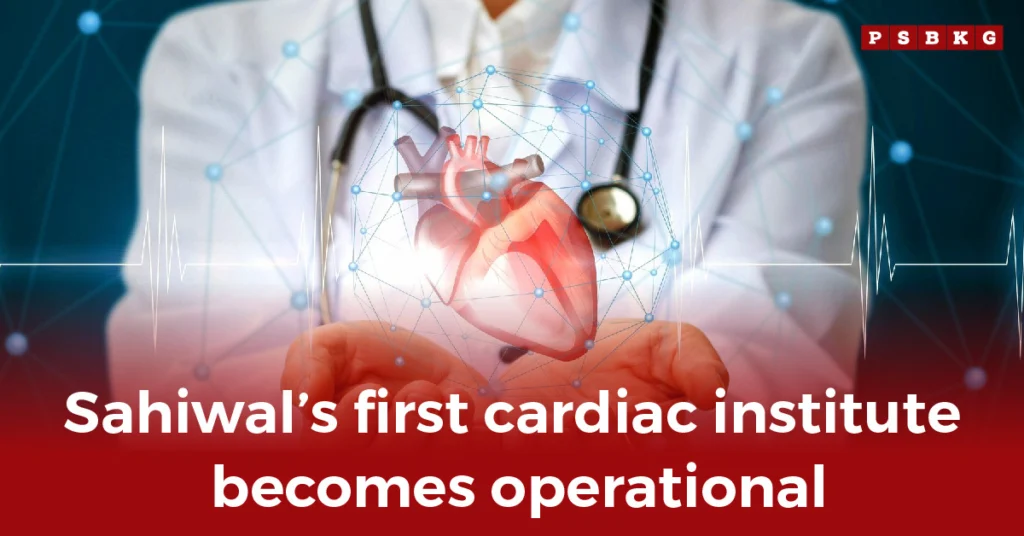
Latest News : The healthcare landscape of Sahiwal has taken a significant step forward with the launch of its very first cardiac institute. For decades, residents of this growing city and the surrounding rural districts faced the constant worry of traveling long distances for critical heart treatments. Now, with the institute fully operational, patients will have access to specialized cardiology services right at their doorstep. This marks not just an achievement for Sahiwal but a milestone in the broader efforts to strengthen healthcare across Punjab.
Why a cardiac institute was needed
Cardiovascular diseases remain one of the leading causes of death in Pakistan, with an alarming rise in cases over the past two decades. Experts point to multiple reasons: unhealthy diets, rising stress, sedentary lifestyles, smoking, and lack of awareness about preventive care. For smaller cities such as Sahiwal, the challenge was particularly severe because of limited medical facilities. In the past, patients showing symptoms of heart attacks or chest pain often had to be rushed to Lahore, Faisalabad, or Multan, journeys that could take several hours. For conditions that require urgent intervention, this delay often proved dangerous. Many families shared stories of losing loved ones simply because advanced treatment was too far away. The opening of the institute directly addresses this gap.
Facilities and services available
Economic and emotional relief for families
The institute’s opening is expected to ease both financial and emotional burdens for countless families. Previously, patients and their relatives had to spend heavily on travel, hotel stays, and private treatment in large cities. The stress of being away from home during a medical emergency only added to their struggle. Now, patients can be treated close to their families, in familiar surroundings, without the extra financial pressure. Local healthcare also means quicker follow-ups and continuous monitoring, which are crucial for chronic conditions like heart disease. For many households in Sahiwal and surrounding towns, this institute could be the difference between timely treatment and irreversible loss.
A step toward healthcare equality in Punjab
The establishment of the cardiac institute reflects a wider policy shift to distribute healthcare resources more evenly across Punjab. For years, people have criticized the healthcare system for focusing too much on Lahore and a few major cities. Meanwhile, smaller districts, despite their growing populations, have remained underserved. By setting up advanced medical centers in districts like Sahiwal, the government aims to bridge this divide. This not only benefits local populations but also reduces the burden on already overcrowded hospitals in Lahore and Multan. Experts believe that successfully maintaining this model could pave the way for a more balanced healthcare system in the province.
Training and development opportunities
Beyond patient care, the institute is expected to serve as a hub for medical training and professional development. Cardiology is a specialized field, and local doctors often had to move to bigger cities for advanced learning. With the institute now in place, young medical professionals in Sahiwal will have opportunities to gain hands-on experience, attend workshops, and work alongside senior cardiologists without leaving their city. This will not only strengthen the local healthcare workforce but also ensure long-term sustainability of the institute. Officials are also discussing plans to set up research programs focused on regional health trends. By studying local cases, doctors can design preventive strategies that better suit the needs of communities in central Punjab.
Community response and expectations
Looking ahead
The launch of Sahiwal’s first cardiac institute is more than just the opening of a medical building; it represents a shift in priorities. By bringing specialized care closer to the people, the institute reduces inequality, saves lives, and builds trust in the public health system. If managed effectively, it could become a model for other districts in Pakistan. For now, the people of Sahiwal celebrate this achievement with optimism. The hope is that the institute will not only treat heart disease but also promote healthier lifestyles, educate the public, and inspire similar initiatives across the country. In a region where timely care can mean the difference between life and death, this institute stands as a beacon of progress and possibility.