
A Drive Toward Cleaner Cities
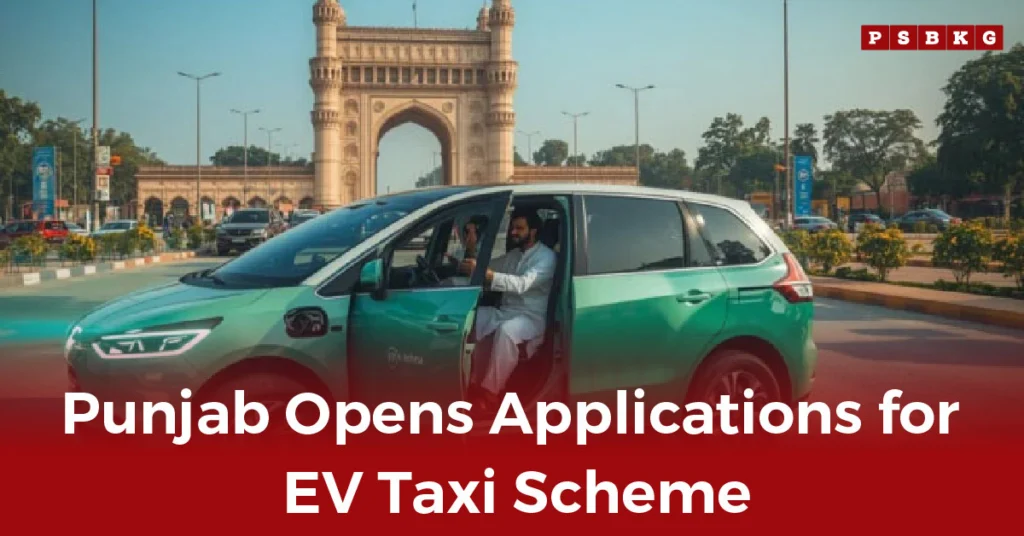
Punjab has rolled out its electric taxi scheme, opening an online portal for applicants. The initiative is being presented as more than just a transport project, it is seen as a step toward cleaner air and a modern travel system in the province. Officials believe the scheme will cut fuel costs, reduce pollution, and ease urban mobility challenges that have plagued major cities for years.
First Phase: 1,100 E-Taxis
In the initial phase, 1,100 electric taxis will be distributed. Out of these, a large chunk—1,000 vehicles—has been set aside for fleet owners, with a condition that each owner must have at least 10 vehicles. Another 100 e-taxis are reserved for individual drivers who are already registered with Transport Network Companies. To encourage inclusivity, the government has earmarked 70 cars for men and 30 for women drivers. This breakdown shows an attempt to balance business needs with opportunities for individual earners.
Strong Public Response
The scheme has already received a wave of interest. By the latest count, more than 5,400 registrations have been recorded on the portal. Out of these, 1,027 applicants have submitted forms, including two from fleet owners and more than a thousand from individual drivers. The numbers suggest that people see genuine value in shifting to electric taxis, especially at a time when fuel prices remain volatile and urban travel is becoming more costly for citizens.
Employment and Environmental Goals
Officials stress that the program is designed to tackle multiple issues at once. Not only will it contribute to cutting down air pollution and fuel dependency, it also aims to create new jobs in the transport sector. For young drivers and small business owners, the e-taxi scheme could open a pathway to financial independence. For the public at large, the shift to electric vehicles promises cleaner air and more affordable travel options.
Government Backing Through Financing
To make the program viable, the Punjab government has also worked out a financing plan with partner banks. Buyers of electric taxis will be able to access loans of up to Rs. 6.5 million, with the government bearing the interest costs. The scheme further offers a subsidized down payment, where the province will contribute Rs. 585,000 toward each purchase of an EV priced between Rs. 4 million and Rs. 10 million. This financial support is expected to lower the entry barrier for buyers who otherwise may not have considered electric vehicles.
A Step Toward Sustainable Transport
While still in its early phase, the scheme signals a broader push for sustainable transport in Punjab. By combining financial incentives with practical allocations, the government hopes to create a model that not only benefits the environment but also supports the livelihoods of thousands. If the momentum continues, the EV taxi project could reshape how cities in Punjab move, reducing reliance on fossil fuels while giving citizens a cleaner, more modern ride.