
Debt and Development: A Balancing Act for Nations
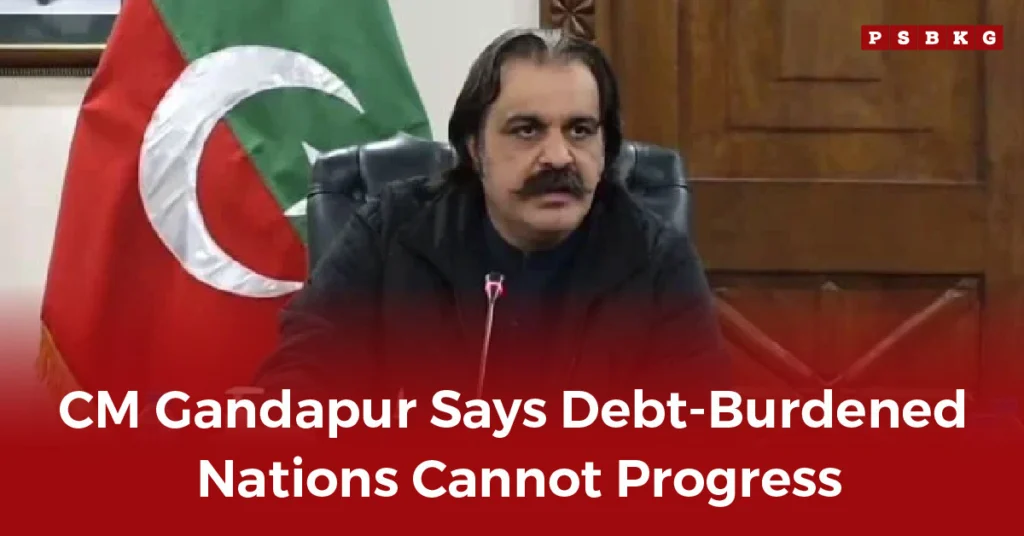
Latest News: In a candid address, Khyber Pakhtunkhwa’s Chief Minister, Ali Amin Gandapur, recently touched on a challenge that many countries face but few confront openly. He reminded everyone that nations burdened with debt simply cannot move forward. It’s not just a matter of numbers on paper, he said, but real consequences for citizens’ everyday lives. High debt servicing costs often divert resources from areas that need them most, like education, health, and infrastructure, leaving development projects hanging or incomplete.
Gandapur’s remarks came during a ceremony, but they reflected a deeper frustration. Governments, he implied, have often found themselves caught between borrowing for immediate needs and sustaining long-term development. The cost of debt, he explained, eats into the budget, making it difficult to invest in growth and improvement. In other words, debt isn’t just a financial matter; it shapes the future of a nation and its people.
Putting the Nation First
The Chief Minister emphasized that sacrifices have been made in the interest of national progress. “We have put the entire nation at stake for the sake of national interest,” he said, highlighting the weight of responsibility carried by those in office. It’s a reminder that policymaking is rarely glamorous. Every decision, especially when it involves finances, has a ripple effect. Citizens may not always see the complexities, but leaders are constantly balancing competing priorities.
The Importance of Law and Order
Gandapur also underscored that the path to resolving national problems lies in the strict implementation of laws. Without a framework that holds everyone accountable, even the best-intentioned policies can fail. He seemed to suggest that governance is as much about following rules as it is about creating them. It’s a point often overlooked in political debates, yet crucial if a nation wants to achieve sustainable progress.
Facing Our Shortcomings
Perhaps the most striking part of his speech was his honesty about past failures. “Unfortunately, we have failed to fulfill our responsibilities,” he admitted. It’s rare to hear politicians openly acknowledge shortcomings, and this moment of candor gives a human touch to the discussion. Recognizing mistakes, he implied, is the first step toward correcting them. There’s a quiet hope in his words, a belief that once these lessons are learned, solutions can follow.
Looking Ahead: A Focus on Legislation
Despite the challenges, Gandapur remained optimistic about the future. He mentioned that a time would come when immediate problems could be resolved, allowing the government to concentrate on legislation and long-term reforms. It’s a vision that emphasizes patience and persistence. Progress, he suggested, is not instantaneous but the result of sustained effort, careful planning, and learning from past errors.
Debt, Responsibility, and the People
Ultimately, the speech was a reminder that national debt is not just an economic issue, it’s a human one. Nations burdened by debt face high borrowing costs that affect schools, hospitals, and infrastructure. They influence the quality of life for ordinary citizens and limit opportunities for growth. Gandapur’s message was clear: fulfilling responsibilities toward the people should remain the priority, even amidst financial and bureaucratic challenges. Leaders may struggle, nations may stumble, but the focus must always be on creating a future where debt does not define progress.